
Our Programs
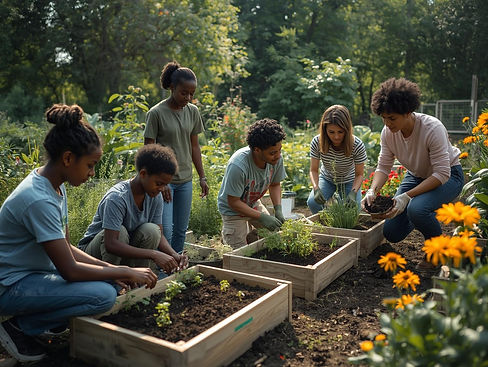
Regenerative Roots Workshops provide hands-on education in herbal growing, soil stewardship, and sustainable land practices rooted in permaculture. These workshops are designed to build ecological literacy through practical experience rather than theory alone.
Participants learn:
-
Soil Health Basics: understanding soil structure, organic matter, microbes, mulching, and low-till approaches
-
No-Till & Soil-Building Techniques: sheet mulching, natural amendments, compost layering, and water retention practices
-
Herbal Identification & Use: recognizing medicinal herbs, growing seasonal plants, and cultivating pollinator-friendly species
-
Permaculture Fundamentals: zoning, companion planting, plant guilds, and ecological design principles
-
Food Sovereignty Skills: how households and communities can grow herbs and produce in small spaces, improve access to fresh foods, and reduce reliance on external systems
Workshops may include:
-
Hands-on planting sessions
-
Soil sampling and testing
-
Creating small herb beds
-
Pollinator habitat lessons
-
Harvest demonstrations
-
Guided healing garden walks

The Garden Stewards Initiative supports the health and vitality of community gardens, school gardens, and small urban farms by providing hands-on help and educational guidance. The program helps fill critical gaps in maintenance, visibility, and volunteer capacity—issues that commonly limit the success of community green spaces.
Garden Stewards participate in:
-
Seasonal Garden Support: planting, watering, mulching, weeding, harvesting, and general upkeep
-
Permaculture-Based Improvements: small-scale regenerative practices, bed rebuilding, adding pollinator plants, and soil revitalization
-
Collaborative Social Media & Event Marketing: helping gardens share their story, highlight progress, recruit volunteers, and increase community engagement
-
Workshop Assistance: supporting onsite education days, herb education sessions, and hands-on garden learning for youth
Community gardens receive:
-
Reliable volunteers
-
Sustainability-focused guidance
-
Help documenting and promoting their garden
-
Additional hands for tasks that keep gardens thriving long-term
This initiative strengthens green spaces that rely heavily on limited budgets or volunteer labor and increases community access to nature.


The Digital Creators Lab offers accessible training in essential creative skills needed for digital storytelling, community engagement, and modern entrepreneurship. These workshops are beginner-friendly and anchored in practical skills.
Participants learn:
-
Social Media Fundamentals: account setup, branding, content planning, photo/video posting, and community engagement
-
Graphic Design Basics: typography, color use, layout, and creating simple marketing materials
-
Introduction to Adobe Photoshop, Illustrator, and Canva: editing images, creating graphics, designing flyers, and building visual identity
-
AI Creative Tools: leveraging responsible AI tools for idea generation, layout drafts, simple visual content, and workflow shortcuts
-
Video & Photo Editing: smartphone photography, editing basics, vertical video filming, and simple transitions
These sessions empower youth, small business owners, and creatives to share their ideas, support community projects, and develop workforce-ready digital skills
The Renewable Fashion Lab teaches sustainable design through hands-on textile transformation and upcycling. The program encourages creativity while reducing textile waste, helping participants reimagine clothing as a regenerative practice.
Participants learn:
-
Sewing Basics: threading, stitching, machine operation, and simple repairs
-
Garment Reconstruction: turning old pieces into new silhouettes, accessories, or art garments
-
Fabric Manipulation: natural dyeing, patchwork, hand-stitch embellishments, appliqué, and collage
-
Sustainable Fashion Concepts: the lifecycle of clothing, fast-fashion impacts, recycling pathways, and responsible consumer habits
-
Creative Reuse: transforming scrap fabric into bags, décor, or functional items
Workshops emphasize hands-on learning, personal expression, and accessible sustainability practices for all ages.


The Urban Food Forest Project seeks to transform unused or neglected land into regenerative edible landscapes based on permaculture principles. By designing multi-layered plant systems, the project increases access to perennial foods, improves local ecology, and provides community teaching spaces.
The project focuses on:
-
Site Assessment & Soil Renewal: identifying viable lots, testing soil conditions, remediating soil through low-impact regenerative techniques
-
Permaculture Food Forest Design: incorporating fruit trees, berry shrubs, herbs, vines, ground covers, and native plants arranged in ecological “layers”
-
Pollinator Habitat Creation: planting species that support bees, butterflies, and beneficial insects
-
Community Training: plant identification, harvesting techniques, companion planting, and ecological stewardship
-
Food Access & Resilience: building systems that produce food long-term with minimal inputs
The first development site is planned at WildFlower Forest Farm in Shreveport, LA, where the food forest will serve as a teaching hub and model for future urban sites.